

When Your Firm Plateaus, The bottleneck is usually communication
For owners, partners, and senior leaders of expertise firms where the next level of growth isn't arriving automatically. Start with a free 15-minute strategy conversation with a licensed speech-language pathologist and MBA.
Free • 15 minutes • Strategic, No Sales Pitches
A free, 15-minute strategy conversation with Sydney Parriott, MA, CCC-SLP, MBA — to identify the specific communication friction slowing your firm's growth.

FOUNDER & LEAD CLINICIAN
Sydney Parriott
MA, CCC-SLP, MBA
Licensed speech-language pathologist and professional communication coach
A decade of helping adults speak with confidence and clarity.
Our coaching blends science, psychology, and emotional intelligence. So you finally understand why communication feels hard and how to change it.
M.A. Speech-Language Pathology M.B.A. Business Administration Certificate of Clinical Competence
CREDENTIALS
FEATURED IN
Communication Intelligence
CREDENTIALS
Licensed Speech-Language Pathologist
10+
YEARS OF PRACTICE
Specializing in adult communication
M.A.
Evidence-based, neuroscience informed
CLINICAL TRAINING
Methodology built for the communication economics of professional services.
THE IMPACT
How Communication Shows up for Ambitious Leaders
Measurable improvements across the conversations moving your business forward.
01
Business leaders associate effective communication with a 64% increase in productivity — and poor communication with a 40% decrease.
(Source: Grammarly 2024 State of Business Communication.)
02
Knowledge workers spend 88% of the workweek communicating — and every surveyed worker experiences miscommunication at least weekly.
(Source: Microsoft Work Trend Index.)
03
High-quality thought leadership influences buyers to consider firms they weren't already evaluating — and is treated as a more trustworthy capability signal than traditional marketing.
(Source: Edelman / LinkedIn B2B Thought Leadership Impact Report.)
DISCOVERY CALL
What You’ll Get in 15 Minutes
We use this opportunity to create a safe, judgment-free space. Your discovery call is focused on clarity and practical next steps, NOT pressure.
Diagnose the leverage point. Identify the specific communication friction compounding into growth drag — internally, in your manager bench, or in your external positioning.
See the system. Understand the framework that converts internal alignment, manager communication, and client-facing presence into measurable firm outcomes.
Leave with one move. Walk away with one concrete change you can deploy in your firm this week — without a project plan or a six-month engagement.
THE RESOURCE LIBRARY
The Communication Drag Brief
A 4-minute read on the three places communication is quietly costing expertise firms growth, plus the diagnostic questions we use to find them. PDF, free.
BEFORE GETTING STARTED
Frequently Asked Questions
-
That may be true. Most firms that consider this work are already credible, capable, and established.
At the 10–200 person stage, the bottleneck often moves from individual skill to system performance. The issue is rarely that people “cannot communicate.” It is that communication has not been calibrated across leadership, managers, client-facing teams, and external messaging.
In expertise businesses, many growth plateaus are communication system problems disguised as strategy problems. The firm may have strong service delivery, but if expectations are inconsistent, managers cannot translate decisions clearly, partners explain value differently, or client-facing language lacks precision, drag accumulates.
The work is designed to reduce that drag.
-
It is best understood as a communication performance system.
There are usually three layers:
Leader layer: how owners, partners, and senior operators communicate direction, authority, standards, and value.
Manager bench layer: how managers handle delegation, feedback, expectation-setting, conflict, and internal alignment.
External presence layer: how the firm communicates expertise to clients, prospects, referral partners, audiences, and the market.
The work often starts 1:1, especially with a founder, partner, or senior operator. From there, it can scale into manager calibration, leadership-team intensives, external-message refinement, or firm-wide communication training.
The label matters less than the operating result: clearer signal, less friction, stronger alignment, and better transfer of expertise across the firm.
-
Speech-language pathologists are credentialed specialists in how thought becomes language under pressure.
That matters in professional services because the product is often expertise. The way that expertise is explained, structured, spoken, and repeated directly affects trust, perceived value, client understanding, internal execution, and pricing power.
An SLP brings clinical training in voice, cognition, language, articulation, fluency, listener processing, and communication behavior. Paired with MBA-level business framing, the methodology becomes both clinically rigorous and operationally practical.
Most communication advisors understand business behavior or speech mechanics. This work connects both: the human communication system and the business system it operates inside.
-
Most engagements begin with a diagnostic conversation.
That first discussion identifies where communication friction is showing up: leadership alignment, manager effectiveness, client conversion, team throughput, external messaging, public speaking, or internal decision transfer.
From there, the work scales to the level that moves the needle. That may include:
1:1 work with an owner, partner, or senior operator
Manager communication calibration
Leadership-team alignment intensives
Client-facing communication refinement
Presentation and external-presence analysis
Firm-wide communication training
Message architecture for pitches, meetings, or public-facing authority
The 15-minute call exists to scope, not to sell. The goal is to identify where communication is creating leverage, where it is creating drag, and whether the work is the right operational fit.
The Established Corporate Leader
CASE STUDY
Real screenshots from an actual communication analysis report, shared with identifying information removed for client privacy.
The Challenge
Recently stepped into the C-suite at a business that had lost momentum
Highly capable and technically strong, but needed to connect more effectively as a leader
Teams and stakeholders were looking to him for direction, trust, and renewed energy
Wanted stronger executive presence to help move the business forward and create a competitive edge
01
What We Found
He often defaulted to problem solving in conversations, even when people first needed to feel heard
His communication style stayed largely the same across one-on-one meetings, team conversations, and stakeholder events
He made few adjustments in vocal performance, which limited both authority in high-stakes settings and warmth in relationship-driven ones
The gap was not expertise. It was leadership communication, adaptability, and audience connection
02
What We Worked On
Role play across different communication styles to improve flexibility with employees, peers, and stakeholders
Biofeedback to increase awareness of delivery patterns and improve communication choices in real time
Coaching on vocal projection, vocal variety, and executive presence so he could sound authoritative in one context and personable in another
03
THE RESULT
Stronger connection with employees and better follow-through from teams
More effective stakeholder communication and greater confidence in leadership settings
Business momentum began to return as communication improved across the organization
Communication that helped a new C-suite leader move people, not just solve problems.
FROM THE ACTUAL ANALYSIS REPORT
AVERAGE PROJECTED VOLUME
64
DECIBELS
Consistent with his loudness during typical conversation. His voice was not carrying or having impact when it counted.
PROBLEM SOLVING BIAS
75
PERCENT
Responses to emotionally loaded or opinion-based questions were focused on problem solving rather than truly listening to the person.
WATCH THE WORK
The same eye, on speakers you know
Short breakdowns of how public figures actually communicate - the same lens I bring to every session.
Follow along on Instagram
Build Stronger Leadership Communication
RECOMMENDATIONS
Book Recommendations
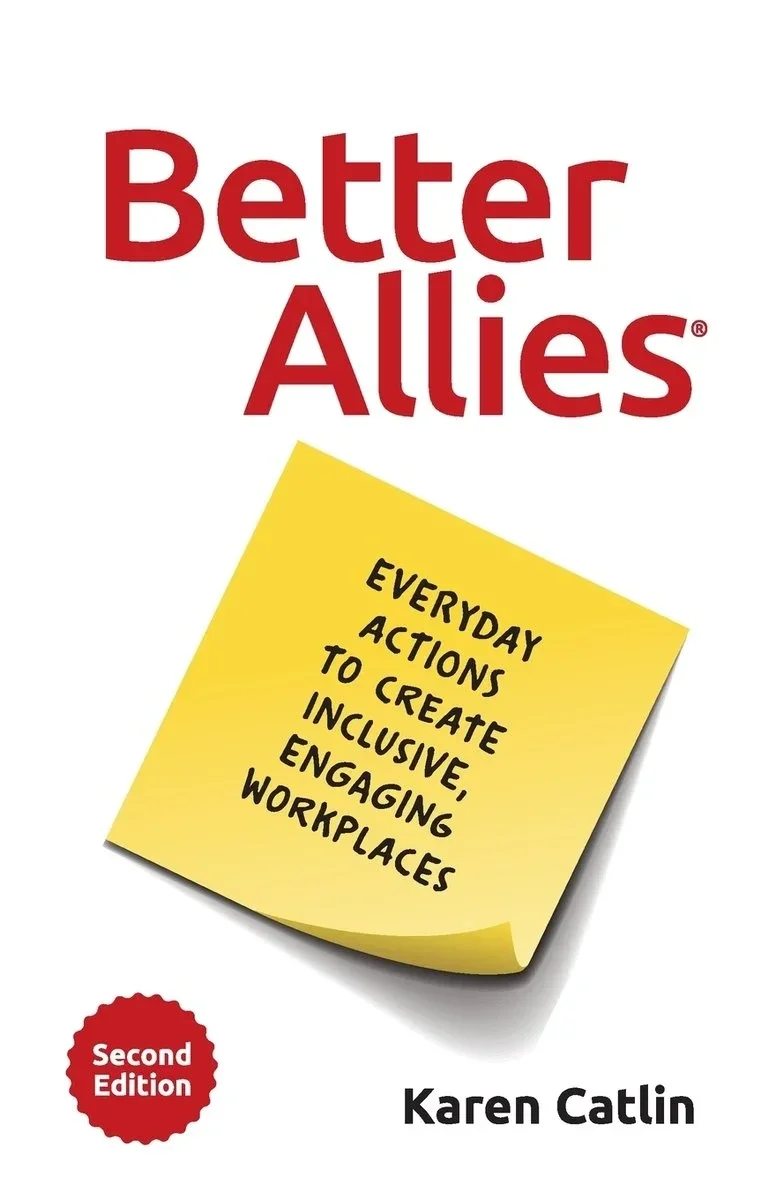
Better Allies by Karen Catlin

How Minds Change by David McRaney

Supercommunicators by Charles Duhigg
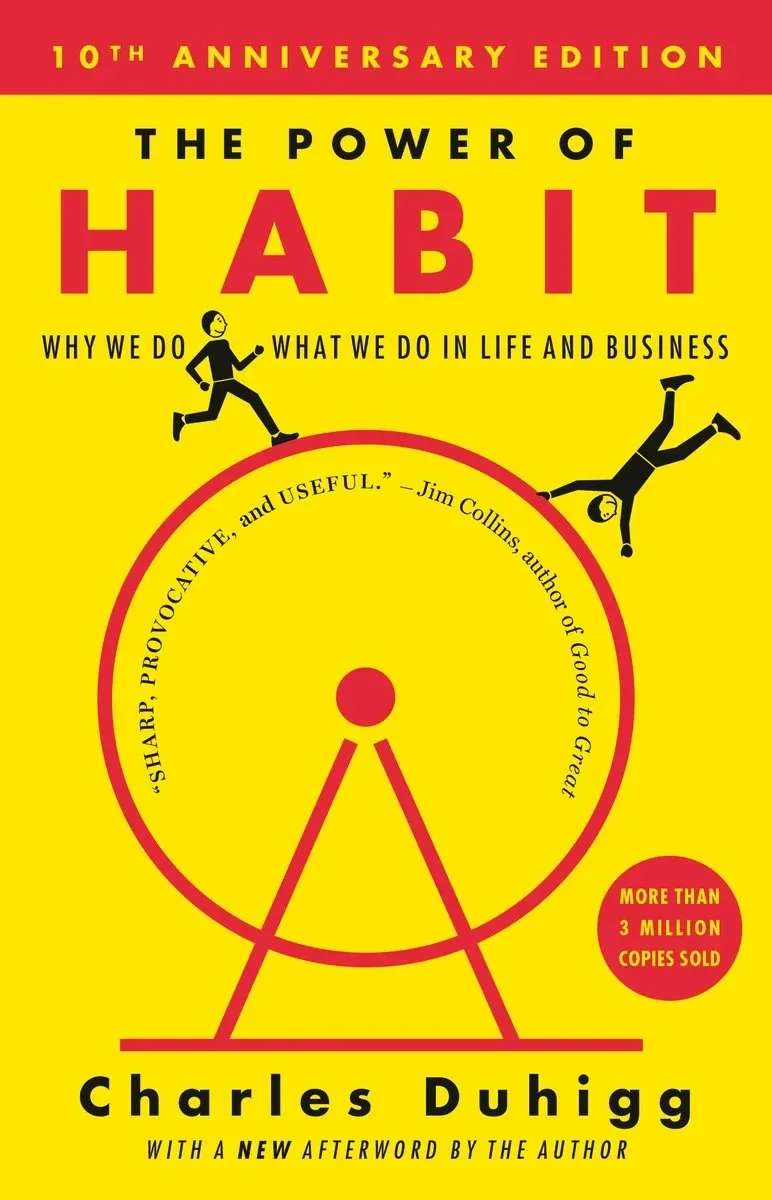
The Power of Habit by Charles Duhigg
Tool Recommendations
You can read every workbook in the world and still wonder what you sound like to other people. The Communication Analysis closes that gap.
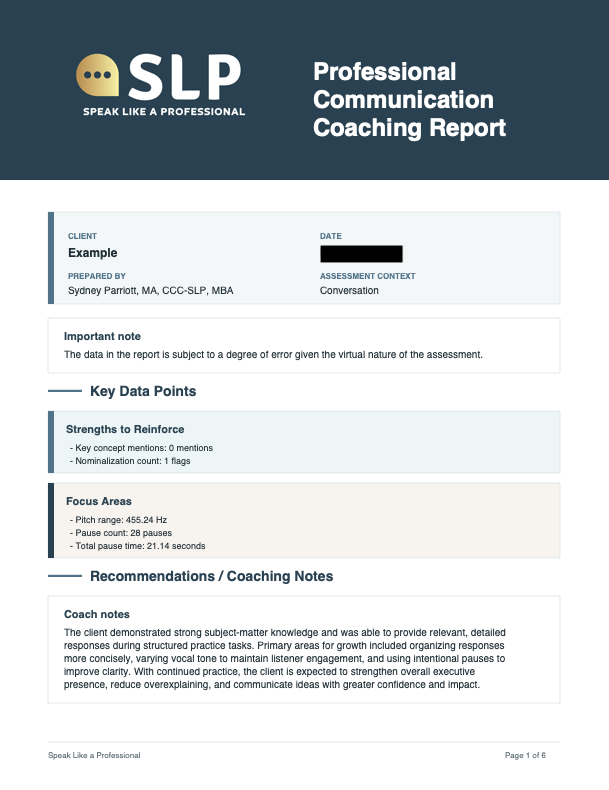
Submit one audio or video sample, up to 15 minutes long — a real meeting, a recorded pitch, an interview practice, a presentation rehearsal, even a voice memo of you thinking out loud. Your sample lands in the hands of a licensed Speech-Language Pathologist who analyzes it through the lens of the Resonance Method™: how you frame your ideas, how you sound, how you pace yourself, how you read your audience, and how the whole package lands together.
You get back a written report (practical, plainly worded, no jargon)that tells you exactly what's working, exactly where the friction is, and exactly which two or three specific shifts will move the needle fastest. Ten minutes is more than enough audio for a trained ear to surface the patterns that have been quietly costing you. We've seen it consistently: the things that hold professionals back are usually visible in the first 90 seconds.
Built as a stepping stone — sized for professionals who want real personalized feedback before committing to a coaching package. Treat it as a diagnostic. Use the report. Decide your next step from there.
After checkout, you'll get an automatic confirmation email with a link to our submission portal.
What's Inside Your Report
Communication Strengths — what you're already doing well, with specific timestamped examples from your sample
Top 2–3 Growth Areas — prioritized so you know where to focus first
Pillar-by-Pillar Notes — observations on Frame of Mind, Active Listening, Content, and Delivery as they showed up in your sample
Step-by-Step Recommendations — concrete, practicable next moves (not vague advice like "be more confident")
Suggested Next Step — which workbook, exercise, or coaching tier fits where you actually are
Who It's For: Mid-career professionals preparing for a promotion, interview, big presentation, or client pitch. Anyone who's read the books, taken the courses, and still wants a second pair of expert ears on what they actually sound like. People who aren't ready for a coaching commitment but want more than self-study can give them.
$67.99 · Digital report · Delivered within 5-7 business days
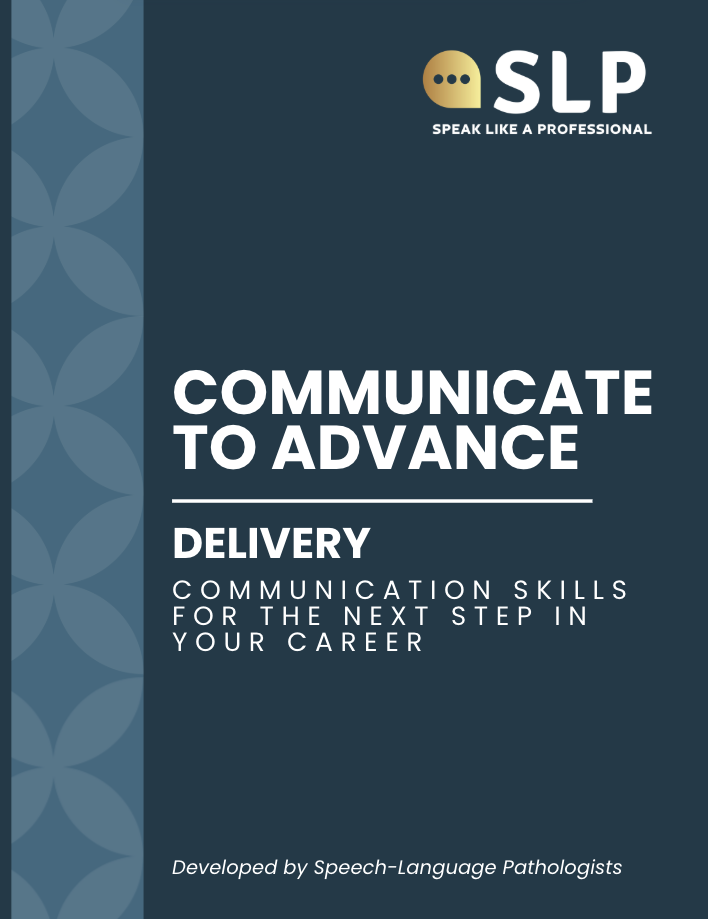
"She knows her stuff, but something about the way she says it…" Delivery is the pillar people feel before they can name it. It's tone, pitch, pace, volume, inflection, and body language — and it's where most of your audience's impression actually forms, regardless of what you said.
Pillar 5 of The Resonant Communication Method™ is the deepest, most technical workbook in the series. You'll practice pitch variation across different emotions, measure your words-per-minute against the professional benchmark (130–170 WPM), build a volume-projection plan for rooms of different sizes, and work through inflection drills that make the same sentence sound curious, confident, or dismissive. The body-language section teaches you to both observe others' nonverbal cues and map your own so that your gestures, posture, and eye contact reinforce instead of contradict your message.
Developed by licensed Speech-Language Pathologists — the professionals who actually train voice and communication clinically. If you've ever been told you sound monotone, too quiet, too fast, or "off," this is the book.
What's Inside:
Delivery Overview
Tone of Voice: Components (pitch, pitch variation, inflection, rate, volume)
Pitch & Pitch Variation Practice (emotion quadrants, mapping exercises)
Rate of Speech (WPM self-assessment, pacing drills)
Projecting Volume (room-size calibration)
Inflection (question vs. statement, certainty vs. curiosity)
Body Language (foundational principles)
Observing Body Language (exercises to read others)
Mapping Body Language (exercises to map your own)
Who It's For: Professionals who've been told they sound monotone or nervous, presenters and speakers, anyone recording video or podcast content, people stepping into bigger rooms or bigger audiences, and anyone whose voice tenses up under stress.
Price: $27.99 · Digital PDF · Printable File: 37 pages

This premium 1.5-hour virtual workshop is a limited-seat experience designed for just 15 participants. Unlike a standard webinar, this session offers guided instruction, real-time communication practice, and personalized feedback to help participants understand how to tailor their message across different communication styles, expectations, and workplace dynamics.
Participants will explore how people differ in the way they process information, express ideas, interpret tone, respond to feedback, and define professionalism. The session will focus on identifying common communication style differences, recognizing when cultural or social factors may be contributing to miscommunication, and learning how to adjust language, tone, structure, and delivery without losing authenticity.
Participants will not simply learn that “everyone communicates differently.” They will begin to observe the specific variables that shape how a message is received, including directness, context, formality, hierarchy, emotional expression, listening expectations, and assumptions about what is considered clear or respectful. Through focused practice, participants will learn how to adapt their message for different audiences, reduce unnecessary friction, and improve the soft skills that shape trust, collaboration, and professional presence.
This workshop is designed for professionals who want to communicate more effectively across personality styles, cultural backgrounds, team roles, and workplace expectations. It is especially valuable for managers, client-facing professionals, team members in cross-functional environments, and individuals who want to improve flexibility, clarity, and interpersonal effectiveness at work.
Investment: $69.99
Or more free resources like this? Check out our Speech Mechanics Webinar or our Public Speaking Pump-Up Playlists.

OUR PROPRIETARY FRAMEWORK
The Resonant Communication Method™
A proven five-pillar framework that transforms how professionals show up, listen deeply, and communicate with clarity and confidence - in any room, at any level.
Developed by Sydney Parriott, MA, CCC-SLP, MBA of Speak Like a Professional
01
Frame of Mind
The inner clarity and intentional presence that shapes every interaction before a word is spoken.
02
Active Listening
Deep, attuned listening that builds trust and unearths what is truly being said in order to connect.
03
Cultural & Social Factors
Navigating the unspoken rules and diversity that shape conversations.
04
Content
Crafting clear, compelling messages to resonate, persuade and move people to action.
05
Delivery
Voice, presence, and physical expression to carry your message with authority.
Interested in how we apply The Resonant Communication Method™ with professionals just like you?
LET’S TALK
Ready when You are.
Tell us a little about what you’re working toward. We’ll be in touch within one business day.
OR EMAIL