

SUMMARY
The Emergent
As an Emerging Communicator, you may feel like your message gets lost in translation — whether from nerves, uncertainty, or lack of practice. That doesn’t mean you’re not a good communicator; it means you're developing foundational skills that others often take years to build. Communication coaching can offer the structured support, emotional safety, and guided feedback needed to reduce overwhelm and build confidence step by step. You don’t have to do it alone — and you don’t have to be “perfect” to be powerful.
Check Your Email Inbox for your FREE Tips Sheet
"5 Steps to Manage Your Communication Nerves at Work"
RESULTS
Your Communication Strengths Profile
Curated using The Resonant Communication Method™

01
Frame of Mind
Your mindset is still finding its footing in professional communication. You may feel nervous, unsure, or even avoidant in certain conversations — especially when the stakes feel high. That doesn’t mean you lack the ability; it means you’re at the beginning of a process that takes time and intention.
Consideration for Growth: Work on developing internal scripts and strategies to approach conversations with more intention and less self-doubt.

02
Delivery
Your tone, pacing, and physical cues may not yet match the message you intend to send. Maybe you speak too quickly when nervous, avoid eye contact, or trail off mid-thought. These aren’t permanent habits — they’re patterns that can shift with awareness and low-stakes practice.
Consideration for Growth: Try practicing your message aloud in short bursts or recording yourself to observe tone and posture.

03
Content
Right now, your message might feel scattered or overly vague. That’s not a flaw — it’s a sign that your internal processing may need more structure. You have important things to say, and clarity will come with learning how to organize your thoughts and anticipate your audience's needs.
Consideration for Growth: Use frameworks like “Problem–Solution–Impact” to give your content a clearer and more persuasive flow.

04
Active Listening
Listening is more than just hearing — it’s about presence, curiosity, and connection. As an Emerging Communicator, it’s possible you unintentionally miss cues or find it difficult to stay engaged, especially when you're focused on what you’ll say next. But the ability to truly listen is a learnable skill, and it starts with slowing down and focusing on the other person.
Consideration for Growth: Practice reflective listening, like paraphrasing or summarizing, to strengthen attention and signal that you’re engaged.
RECOMMENDATIONS
Resources for the Emergent

-
Learn how to move through communication anxiety and self-doubt using Acceptance & Commitment Therapy techniques.
-
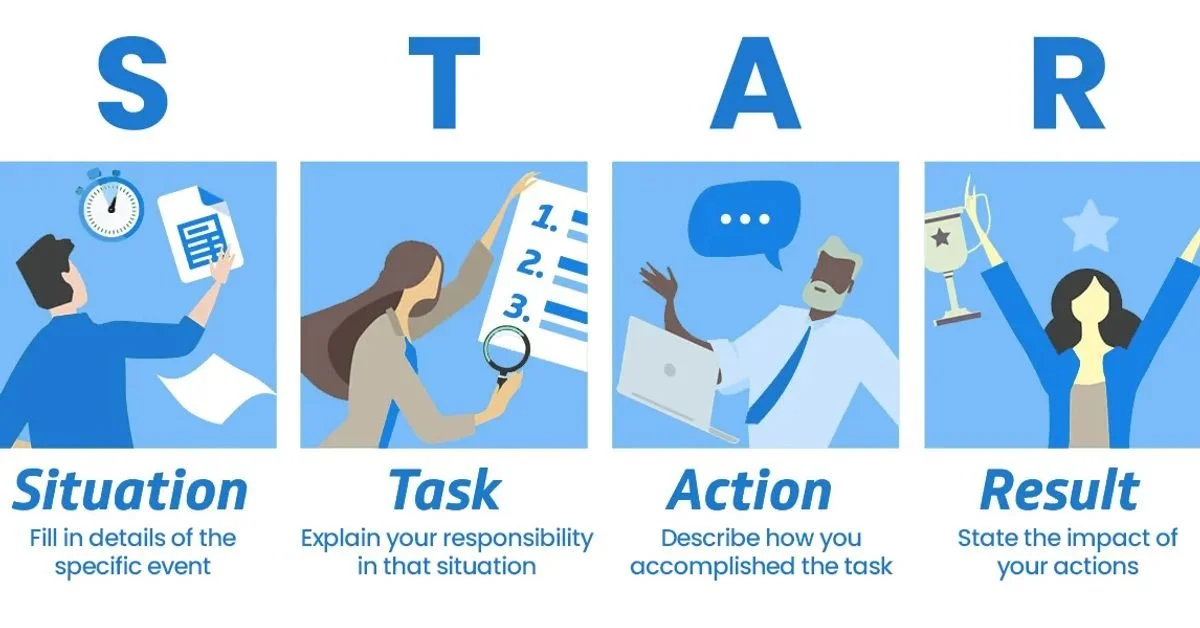
Helps structure responses in conversations and interviews.
-
Practical strategies for building clear, confident communication from the ground up.
Or more free resources like this? Watch the Free Webinar, or play our Curated Pump-Up Playlist.
NEXT STEPS
what you want to improve first
Book a Discovery Call (Free)
15-minutes to get an in-depth look at how you can improve your communication skills
Get a Communication Analysis (Paid)
Full data-driven analysis of your communication, data samples up to 30-minutes
FEATURED
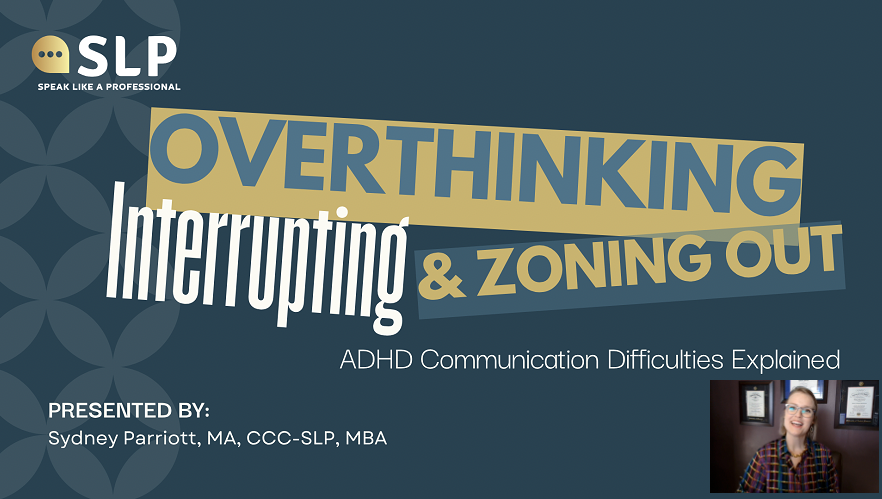
For adults who overthink, interrupt, or lose their train of thought mid-conversation.
Includes:
42-minute on-demand webinar + guided PDF workbook
$59.99
Save $10 when you buy the bundle
Created by a speech-language pathologist with ADHD
Instant access • Digital delivery • Watch at your own pace • Workbook included
LET’S TALK
Ready when You are.
Tell us a little about what you’re working toward. We’ll be in touch within one business day.